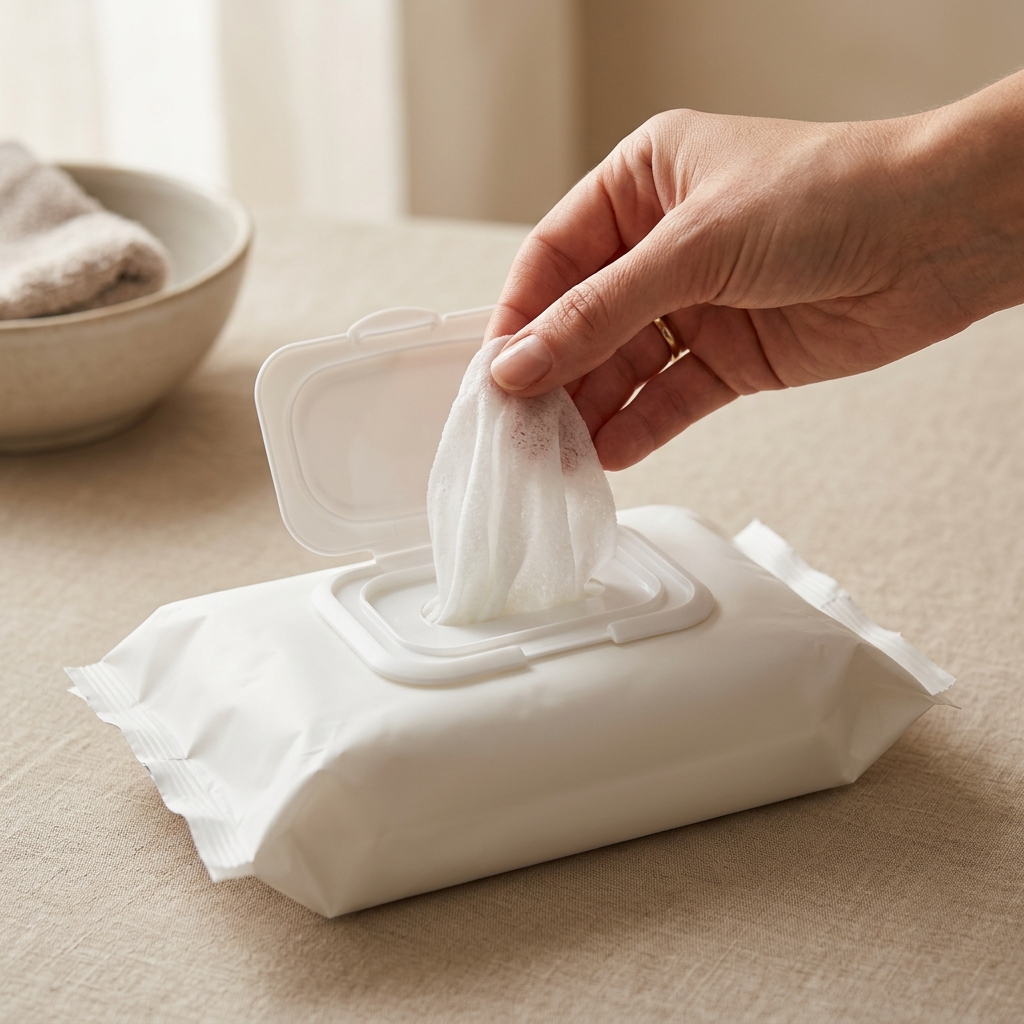
India's personal care and wellness market is undergoing a massive shift. Driven by rising disposable income, urban migration, and a strong preference for sanitization, consumers are adopting convenient hygiene options. Among these, wet wipes are experiencing rapid growth, moving from luxury travel items to daily essentials.
For entrepreneurs, this represents a unique opportunity. By outsourcing production to a private label manufacturer, you can launch a wet wipes brand with minimal upfront capital. Private labeling allows you to focus on marketing, branding, and distribution, while the factory handles formulations, compliance, and automated packaging.
However, starting a successful brand requires a structured roadmap. Below, we break down the essential steps to launching a private label hygiene brand in India.
Step 1: Identify Your Market Niche
Before approaching a manufacturer, define your target audience. The wet wipes market is highly segmented, and trying to sell to everyone is a common mistake.
Consider these high-growth segments:
- **Cosmetics & Beauty:** Makeup removal wipes, exfoliating facial sheets, or micellar water wipes.
- **Baby Care:** Ultra-soft, extra-thick, fragrance-free wipes made of organic materials.
- **Fitness & Active Wear:** Oversized, body-cooling wipes for gym goers and outdoor travelers.
- **B2B Hospitality:** Branded refreshment wipes for premium restaurants, luxury hotels, and transport services.
Step 2: Choose Your Manufacturing Partner
Your manufacturer is the foundation of your business. If they supply dry wipes, inconsistent formulations, or poor sachet seals, your brand reputation will suffer.
Ensure your partner holds **GMP (Good Manufacturing Practices)** certifications. GMP compliance guarantees that wipes are produced in sterile cleanrooms using purified water (RO), ensuring product safety and stability. You can learn more about this in our GMP certification guide.
Compare the advantages of custom formulations vs standard templates by reviewing our OEM vs Private Label comparison.
Step 3: Finalize Formulation and Fabric
Work with the manufacturer to select your raw materials. The fabric (substrate) is typically Spunlace non-woven, but you must define the GSM (grams per square meter) which determines thickness and absorbency. For premium brands, wood pulp or bamboo fibers are excellent.
The wetting solution must be dermatologically safe and strictly **alcohol-free** to prevent skin dryness. Popular botanicals like Aloe Vera and Cucumber provide natural, soothing benefits (read our benefits of Aloe & Cucumber guide).
Step 4: Design Packaging and Brand Assets
In retail, packaging drives sales. Design a packaging wrapper that stands out on store shelves or online listings. The film must use premium barrier foils to lock in moisture and prevent evaporation during storage. Work closely with the manufacturer's pre-press design team to ensure that printing plates align perfectly on high-speed flow-wrap machines.
Step 5: Regulatory Compliance and Licenses
In India, wet wipes intended for facial cleansing or cosmetic usage are regulated under the Central Drugs Standard Control Organization (CDSCO). Your brand must secure a cosmetic license or sale permit. Working with a GMP-certified manufacturer like BR Hygiene makes this process straightforward, as we supply all necessary manufacturing credentials, stability logs, and lab analysis sheets.
Conclusion
Starting a private label hygiene brand is a highly viable business in India when backed by the right manufacturing partner. At BR Hygiene, we help brands launch quickly from our GMP-certified plant in Rajkot, Gujarat. To explore private labeling options, view our Products Catalog or get in touch with our team today.