When buying cosmetics or personal hygiene products, consumers trust that the items they apply to their skin are safe and pure. Behind that trust lies a strict network of guidelines known as **GMP (Good Manufacturing Practices)**. In the wet wipes manufacturing industry, GMP certification is a crucial safety standard.
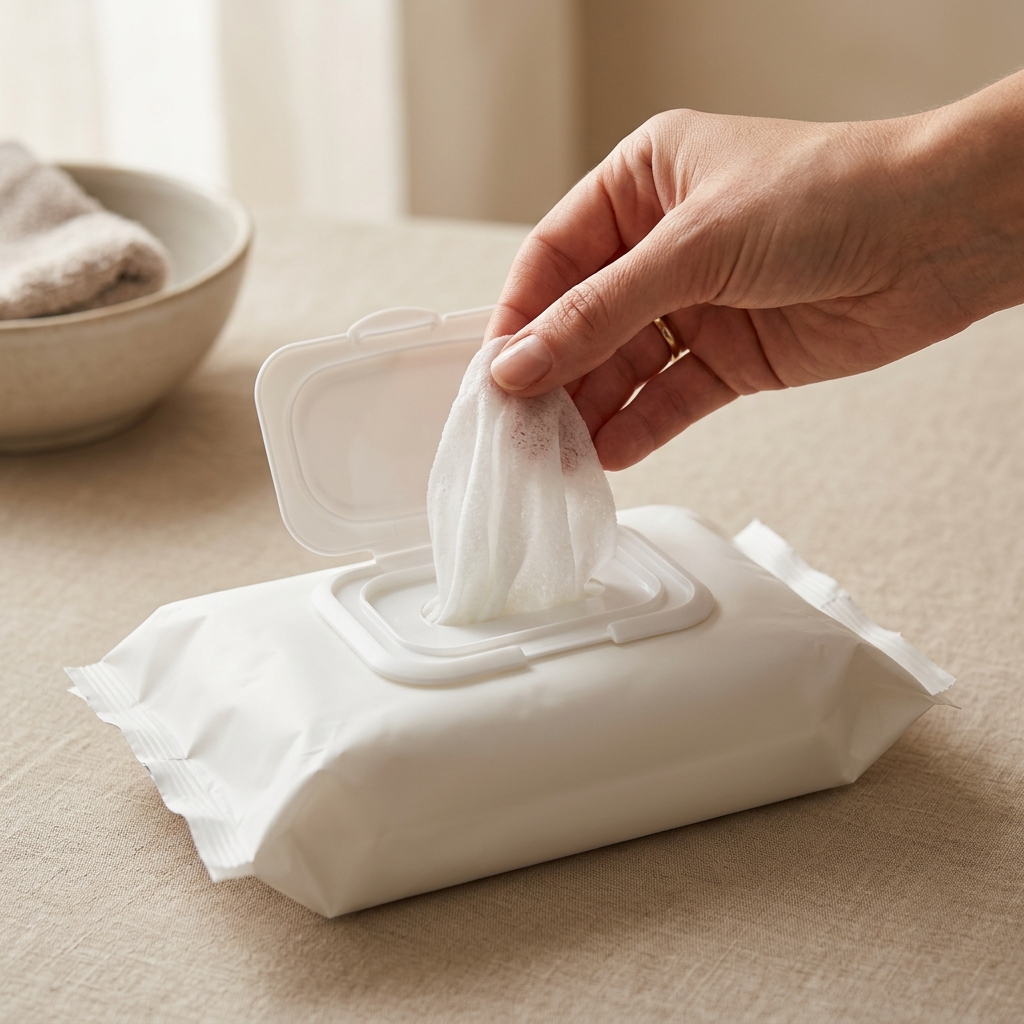
Wet wipes are pre-moistened fabric sheets. Because they contain water and organic plant extracts, they can easily host mold, yeast, and bacteria if manufactured in subpar facilities. A single batch contaminated by poor sanitization or contaminated water can cause skin infections, allergic reactions, and product recalls.
Understanding the role of GMP certification helps brands evaluate manufacturers and select reliable supply chain partners. Below, we explore the core standards of GMP in wet wipes manufacturing and how BR Hygiene maintains these rules in Rajkot, Gujarat.
What is GMP (Good Manufacturing Practices)?
GMP is a quality system designed to minimize risks in pharmaceutical and cosmetic manufacturing. It covers all aspects of production: from raw material sourcing, equipment maintenance, and facility design to employee training, cleanroom ventilation, and record-keeping.
Rather than relying solely on checking finished products, GMP focuses on controlling the entire production process. By establishing structured check sheets and controls, GMP ensures that every batch meets identical quality and safety requirements.
Key Elements of GMP in Wet Wipes Manufacturing
A GMP-compliant facility must implement several core controls:
1. Facility Layout and Cleanroom Sanitation
The physical factory must be built to prevent cross-contamination. Air filtration systems (HEPA filters) maintain clean air quality. Dust-collecting surfaces are eliminated, and walls are made of non-porous, easily washable materials.
At BR Hygiene, our cleanrooms are strictly segregated. Production lines are isolated from raw material storage and finished inventory areas, ensuring a linear workflow that prevents contamination.
2. Water Purification Standards
Since wet wipes contain up to 95% water, the water source must be exceptionally pure. Under GMP rules, standard municipal tap water is strictly forbidden. Factories must use multi-stage Reverse Osmosis (RO) purification systems to filter out trace minerals, chlorine, and biological particles. The water lines must undergo regular sanitization to prevent the buildup of bacterial biofilms.
3. Personal Hygiene of Operators
Human touch is the primary source of bacterial contamination in manufacturing. GMP requires that all line operators wear clean gowns, protective hair nets, face masks, and sterile gloves. Before entering the production zone, operators pass through air-shower locks to blow away dust particles.
Why GMP Matters for Brand Owners
For cosmetic startups and hospitality brands outsourcing their wet wipes, working with a GMP-certified manufacturer provides critical business advantages:
- **Regulatory Approvals:** Having production documents from a GMP plant makes acquiring cosmetic licenses and export permits easier.
- **PR Protection:** GMP controls prevent contaminated products from reaching store shelves, protecting your brand from costly lawsuits or recalls.
- **Batch-to-Batch Consistency:** You are guaranteed that the 100th batch will match the physical parameters of the first batch.
Conclusion
GMP certification is not just a badge; it is a commitment to safety and quality. At BR Hygiene, we manufacture wet wipes under strict GMP-compliant protocols in Rajkot, Gujarat. If you are ready to partner with a certified manufacturer, explore our Products Catalog or request a facility tour today.